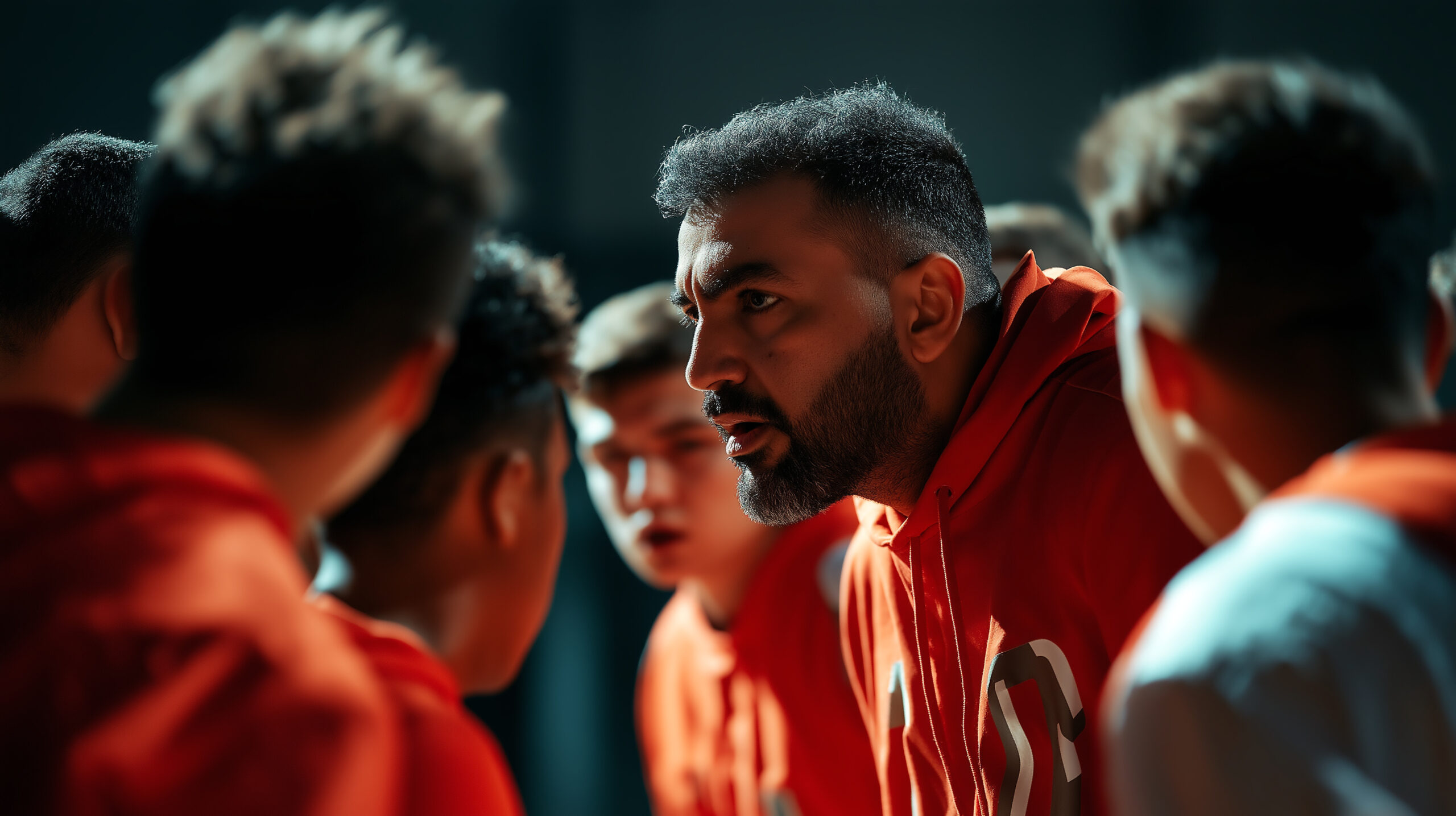
Coaching is about more than teaching skills or winning games. Over the years, I’ve come to realize that the true value of coaching lies in shaping character. Young athletes look up to their coaches not just for guidance on the field, but also as role models in life. The lessons learned through sports—discipline, teamwork, resilience, and integrity—can carry far beyond the game.
Teaching Discipline Through Routine
One of the first lessons sports teach young athletes is discipline. Showing up on time, putting in consistent effort, and practicing the fundamentals may seem simple, but these habits form the foundation of character. As a coach, I emphasize the importance of preparation and responsibility. When athletes understand that success is built through consistent effort, they start applying that mindset in school, at home, and in other areas of their lives.
Discipline also teaches accountability. When a player fails to meet expectations, it is an opportunity to learn from mistakes. I encourage athletes to take ownership of their actions, rather than blaming external factors. This sense of accountability is a skill that serves them long after they leave the field.
Building Teamwork and Cooperation
Sports are a unique environment where teamwork is essential. No matter how talented an individual player may be, success often depends on how well the team works together. Coaches have the responsibility to foster an environment where collaboration is valued over individual glory.
I work with young athletes to help them understand their role on the team and how it contributes to the bigger picture. They learn to communicate, support one another, and handle conflicts respectfully. These lessons are crucial for character development. Learning to cooperate and put the team first builds empathy, patience, and respect—qualities that extend into every aspect of life.
Resilience in the Face of Challenges
Sports are full of challenges, from losing games to making mistakes during critical moments. How athletes respond to setbacks is a reflection of their character. As a coach, I stress that mistakes are not failures but opportunities to grow. Teaching resilience is about helping young athletes develop the mental toughness to keep going, even when things are difficult.
Resilience also involves learning how to handle criticism constructively. In sports, feedback is constant, and learning to accept it gracefully is a key life skill. Athletes who embrace this mindset are better equipped to face challenges in school, work, and personal relationships.
Instilling Integrity and Sportsmanship
Winning is an exciting part of sports, but how a game is played matters more than the scoreboard. Integrity and sportsmanship are values that I emphasize with every team I coach. Playing fairly, respecting opponents, and following the rules are lessons that shape young athletes into ethical and principled individuals.
Integrity is something that cannot be taught solely through instruction; it must be demonstrated. Coaches who model honesty, fairness, and respect provide a living example for athletes to follow. When young players see their mentors act with integrity, they are more likely to adopt those behaviors themselves.
Mentorship Beyond the Field
Coaching offers the unique opportunity to mentor young people in ways that go beyond athletics. Many athletes face challenges at home, in school, or in their communities. As a coach, I strive to be a consistent source of support and guidance. Building trust and showing genuine care for players’ lives helps them feel valued and motivated.
Mentorship also includes encouraging personal growth. I emphasize the importance of goal-setting, time management, and self-discipline. These lessons help athletes develop skills that contribute to success in academics, careers, and relationships. The impact of a coach often extends far beyond the game itself.
Creating a Positive Culture
The environment a coach cultivates plays a major role in shaping character. Teams that value respect, accountability, and collaboration create a culture where athletes can thrive. Positive reinforcement, clear expectations, and consistent communication help young players internalize these values.
I make it a priority to celebrate effort, progress, and character, not just performance. Recognizing the ways athletes demonstrate resilience, teamwork, and integrity reinforces these qualities and encourages them to become habitual behaviors. A positive culture motivates athletes to uphold standards both on and off the field.
Life Lessons That Last a Lifetime
The lessons learned through coaching are not temporary; they stay with athletes long after their sports careers end. Discipline, teamwork, resilience, integrity, and mentorship are all transferable skills that shape character and influence life choices. Young athletes who develop these traits are better prepared to navigate challenges, build meaningful relationships, and contribute positively to their communities.
Coaching is more than winning games or teaching technical skills. It is about guiding young people toward becoming their best selves. Every practice, every game, and every interaction is an opportunity to reinforce character and build values that last a lifetime. Watching athletes grow into confident, responsible, and compassionate individuals is the most rewarding part of coaching, and it is a responsibility I take seriously every day.